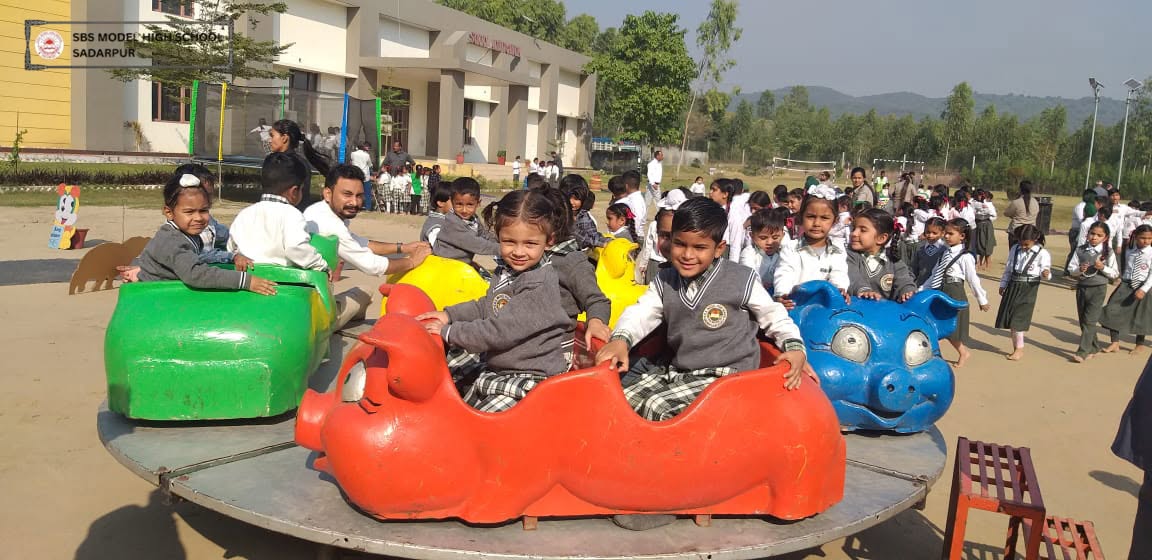
Sports are an essential part of a student’s educational journey. While academic learning helps students gain knowledge and develop intellectual abilities, sports contribute to physical fitness, emotional well-being, and social development. Participation in sports teaches valuable life skills such as teamwork, discipline, leadership, and perseverance that remain beneficial throughout life. At S.B.S. Model High School, ranked among the Top 5 Best School in Garhshankar, students are encouraged to actively participate in sports and extracurricular activities to achieve balanced growth. By integrating sports into education, the school helps students become confident, responsible, and well-rounded individuals prepared for future success.
Why Sports Matter in Education
Sports provide students with opportunities to learn valuable life lessons beyond textbooks. Through regular participation in games and athletic activities, students develop perseverance, responsibility, and the ability to work toward goals. These qualities help them succeed not only in school but also in their future personal and professional lives. Participation in sports encourages students to embrace challenges, build resilience, and develop a positive attitude toward learning and self-improvement.
Building Physical Fitness and Healthy Habits
Regular participation in sports improves physical health, stamina, strength, and overall fitness. Active students are more likely to maintain healthy lifestyles and develop habits that benefit them throughout life. Sports also help reduce stress and improve concentration, allowing students to perform better academically. As the Best CBSE School in Garhshankar, we encourage students to participate in a wide range of sports and physical activities that support their overall well-being and personal development.
Developing Teamwork and Leadership Skills
One of the greatest benefits of sports is the opportunity to learn teamwork. Whether playing cricket, football, basketball, or any other game, students learn to cooperate, communicate, and support one another. Sports also provide leadership opportunities that help students build confidence and decision-making abilities. These experiences prepare young learners to take initiative, work effectively with others, and contribute positively to their communities.
Enhancing Discipline and Time Management
Success in sports requires dedication, consistency, and discipline. Student-athletes learn the importance of following routines, managing their time effectively, and balancing academics with extracurricular activities. These skills help them become more organized, focused, and responsible individuals. The habits developed through sports often translate into improved academic performance and greater success in everyday life.
Boosting Confidence and Emotional Well-Being
Sports encourage students to challenge themselves, overcome obstacles, and celebrate achievements. Winning and losing both teach valuable lessons about perseverance, emotional control, and self-belief. Students who participate in sports often develop stronger confidence and are better equipped to handle challenges in both academic and social settings. These experiences contribute significantly to their emotional well-being and personal growth.
Preparing Students for Future Success
Modern education focuses on preparing students for life beyond the classroom. Sports nurture qualities such as adaptability, leadership, teamwork, determination, and resilience—skills that are highly valued in higher education and future careers. By encouraging active participation in sports, schools help students become confident, responsible, and future-ready individuals who can thrive in an ever-changing world.
Conclusion
Sports are far more than recreational activities; they are powerful tools for student development. They promote physical fitness, strengthen character, build leadership abilities, and encourage lifelong healthy habits. Sports are an integral part of the educational experience, ensuring that students achieve balanced growth and holistic development. By fostering a culture of participation and excellence, schools help students become confident, disciplined, and successful individuals prepared for the opportunities and challenges of the future.